
Early access · Release date: February 5, 2026
UpdatedMENACE Armor Guide: Classes, Upgrades, and Protection
Learn how MENACE armor classes, variants, and upgrades work. Compare infantry protection, heavy armor tradeoffs, and balance changes before your mission.
Jump to
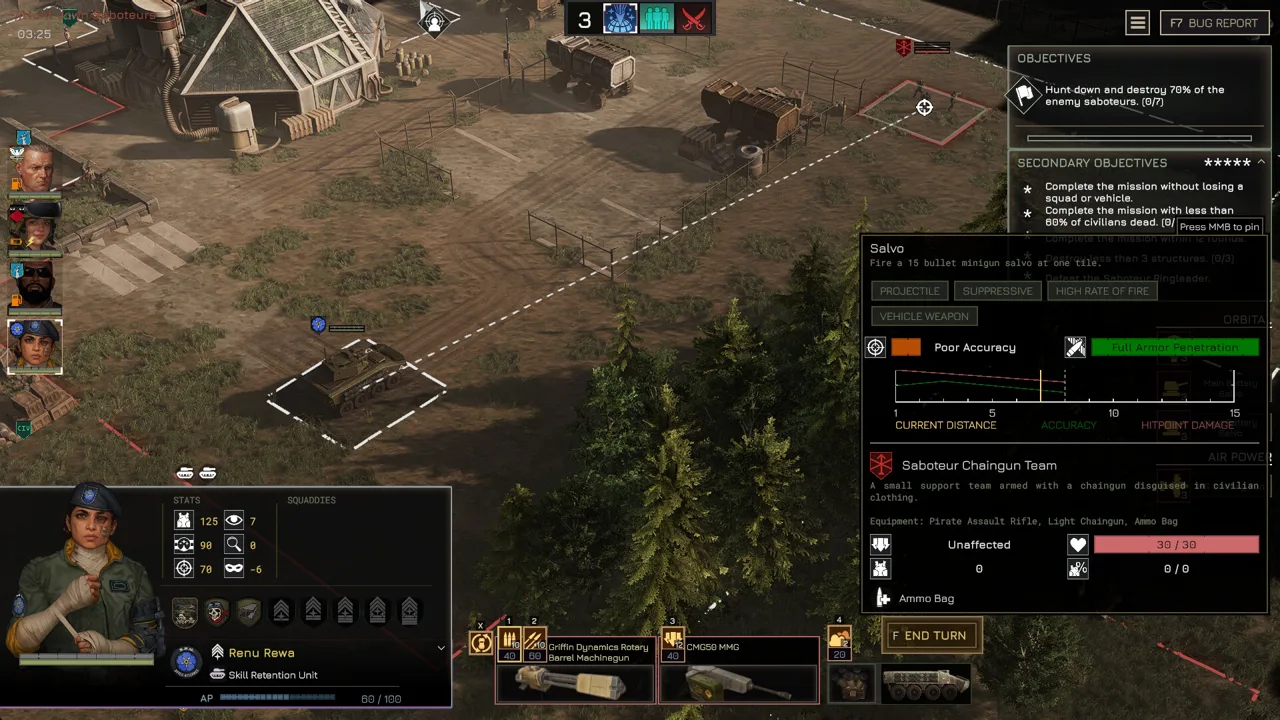
How MENACE Armor Works
MENACE armor gives your infantry protection against incoming fire, but heavier equipment also consumes more of your deployment budget. That tradeoff matters when you need enough firepower, accessories, and troops to finish an operation. Choose MENACE armor around the threats a squad will face and the movement its role demands.
Infantry armor follows six baseline classes, from unprotected fatigues to heavy plating approaching walker protection. Higher classes provide greater protection at increased supply costs. Beyond that progression, variants add specialized features, while equipment tiers improve existing designs.
The protection benchmarks also depend on the incoming weapon and engagement distance. Class III armor is built to stop SMG-caliber fire at medium and long range while intact. Class IV raises that benchmark to assault rifle ammunition at medium range.
Armor class gives you a protection benchmark; the squad’s complete loadout determines how effectively you can use it. Keep weapon range, accessory space, concealment, and movement in the same conversation.
The armor changes covered below include balancing update v0.7.16. The subsequent v0.7.17 hotfix focused on performance and restored Lim’s Zig-Zag perk.
Armor Classes at a Glance
| Class | Armor | Protection and tradeoffs |
|---|---|---|
| I | RMC Fatigues | No protection and limited accessory storage |
| II | Soft Armor | Primarily protects against explosive fragments; does not stop bullets at short range |
| III | Small Arms Protective Plating | Stops SMG-caliber ammunition at medium and long distances while intact |
| III | Marine Infantry Body Armor | Light, durable Marine equipment with Class III protection and better construction than standard SAPP |
| IV | Improved Small Arms Protective Plating | Rated against assault rifle ammunition at medium distance, with a maximum penetration rate of 10% |
| IV | TCR Marine Tactical Armored Platesuit | Durable protection against most small arms and explosives without hindering movement |
| V | Enhanced Small Arms Protective Plating | Protects against most handheld ammunition, including assault and battle rifle rounds, with mobility and awareness tradeoffs |
| VI | Extreme Small Arms Protective Plating | Deflects large-caliber rounds and withstands most low-powered energy weapons while substantially restricting movement and vision |
| VI | TCR Navy Breaching Armor Suit - Heavy | Extreme kinetic protection, including at short distances, with movement and perception penalties |
Official page: MENACE (menacegame.com)
Classes, Variants, and Upgrades Explained
Shopping for MENACE armor gets easier once you separate its three progression systems.
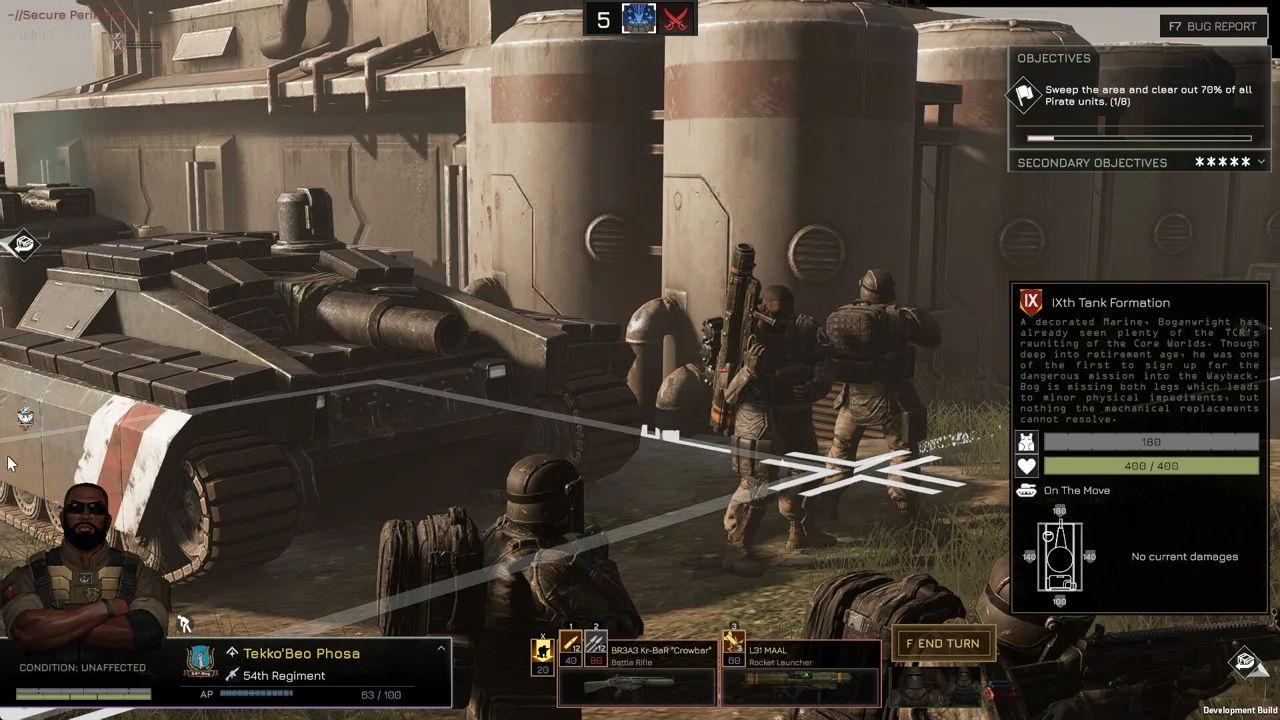 Image: Steam / Overhype Studios
Class describes the broad protection level. Moving from Class II soft armor to Class IV plating changes the kind of incoming fire the armor is designed to withstand.
Variants specialize an armor design. Assault versions can provide additional accessory pouches, while commando versions can emphasize camouflage and lighter materials. These features change how a squad operates alongside its ballistic protection.
Tiers improve an existing armor design through modernization or enhancement. Those upgrades provide greater protection and other benefits at a higher price. Variants can also receive higher-tier versions.
Compare the complete item before spending trade value. Two pieces occupying the same protection class can differ in durability, mobility, construction, and utility.
Marine Armor and Heavy Assault Suits
Marine Infantry Body Armor remains Class III despite its improved construction. Its light weight and durability distinguish it from widespread SAPP equipment within that protection bracket.
The TCR Marine Tactical Armored Platesuit combines Class IV protection with unhindered movement. Its durability comes with scarcity in the Wayback, so keep its full feature set in mind when comparing available replacements.
Class V and VI equipment introduce more substantial compromises. Enhanced Small Arms Protective Plating exchanges speed, agility, and situational awareness for protection against a wider range of handheld weapons. Extreme Small Arms Protective Plating pushes that exchange further, substantially restricting maneuverability and field of vision.
Give heavy armor to squads whose duties justify those restrictions. Check whether an assault unit can still reach its firing position and attack effectively with its available action points. For a scout, preserve the concealment and awareness that support its job.
Getting Armor Without Overspending
MENACE armor comes through battlefield loot and Black Market trading. Enemy loot tables generally contain equipment carried by the defeated unit, with individual items receiving separate drop rolls.
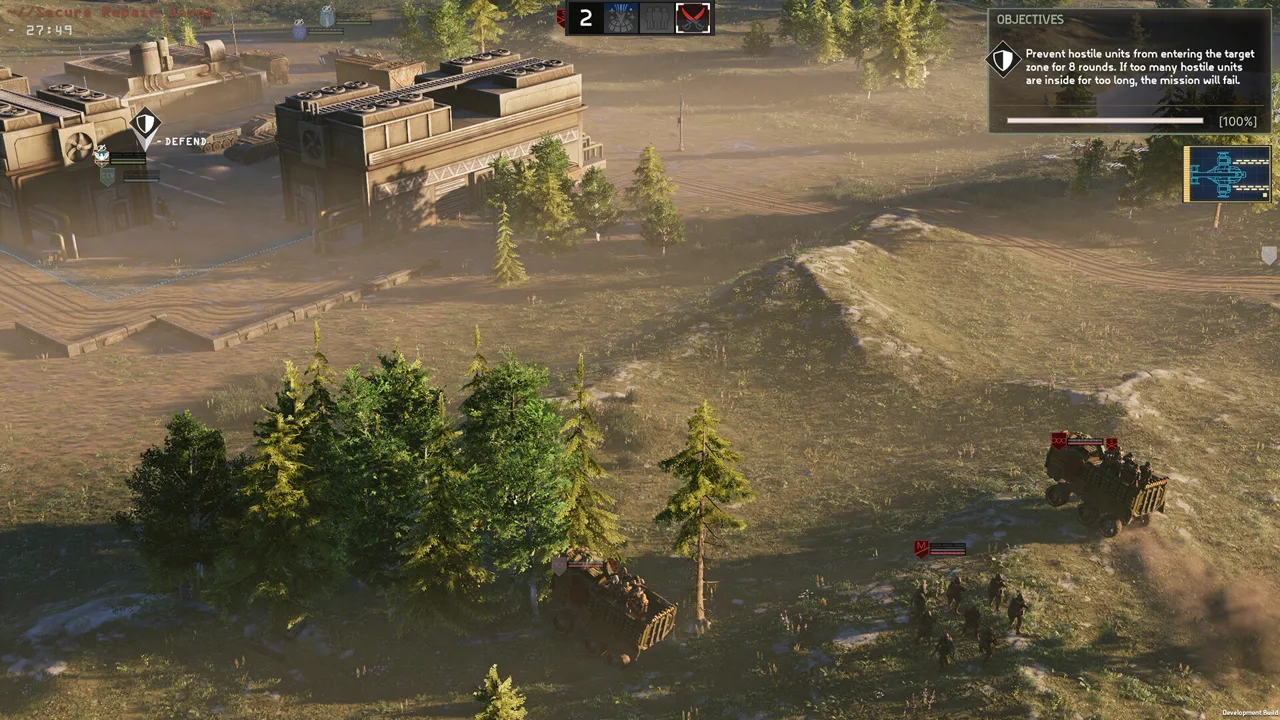 Image: Steam / Overhype Studios
Recovered equipment appears on the mission results screen. There is no battlefield inventory for collecting or swapping items during combat. Plan each deployment around the equipment already assigned to your squads.
The Black Market provides another route to factory-new equipment. Update v0.7.16 expanded its armor selection and reduced the trade value of one SAPP configuration.
| Armor | Change in v0.7.16 |
|---|---|
| Jaeger Fatigues | Added to Black Market availability |
| Marine Infantry Body Armor | Added to Black Market availability |
| Enhanced Small Arms Protective Plating | Added to Black Market availability |
| Extreme Small Arms Protective Plating | Added to Black Market availability |
| SAPP High Intensity Setup | Trade value reduced from 70 to 60 |
Availability gives you another purchasing option; supply cost still affects what you can deploy afterward. Compare both expenses before committing to an upgrade.
Keep Weapons and Accessories in the Budget
During the early game, prioritize replacing weak basic weapons and filling essential accessory gaps before purchasing armor for every squad. Pirate equipment can bridge that period, while Rogue Army encounters provide opportunities to recover additional armor.
Outcast Rags provide concealment with very little physical protection. Keep that tradeoff in mind when equipping a stealth squad. Scavanger Armor supplies Class II protection comparable to soft armor and can save a purchase when you acquire it as loot.
Smoke deserves space in an assault plan. It blocks enemy vision and supports approaches, retreats, and recovery attempts. Update v0.7.16 increased Smoke Grenade supply cost from 10 to 15, so include that expense when comparing complete loadouts.
Before buying another armor upgrade, check:
- Does the squad have a weapon suited to its engagement range?
- Can it handle armored threats or rely on another unit to do so?
- Does it have the ammunition needed for sustained fighting?
- Will the armor leave room in the deployment budget for essential support?
Spend against the squad’s immediate weakness.
Matching Protection to Movement and Incoming Fire
The heaviest MENACE armor brings substantial protection, but an assault squad still needs to reach its target. A stationary fire-support unit and a mobile close-range squad place different demands on their equipment.
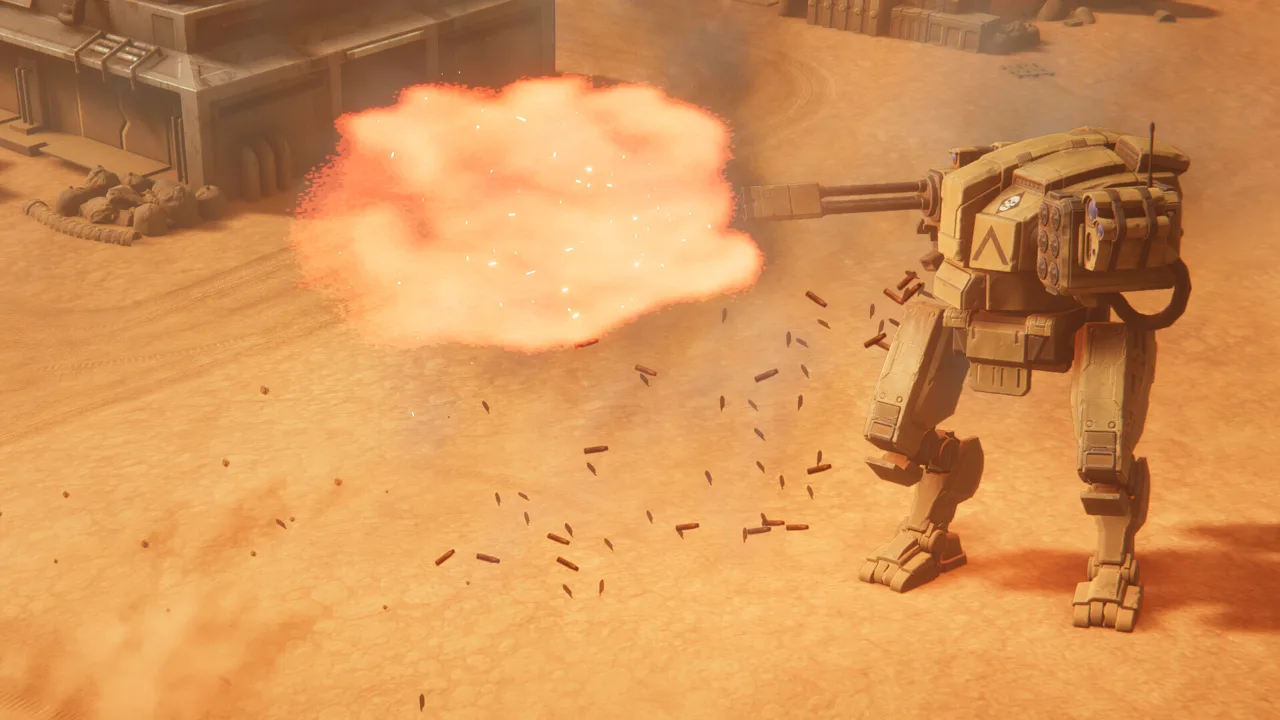 Image: Steam / Overhype Studios
For close combat, combine protection with smoke support and enough action points to execute the attack. Short distances make enemy fire more accurate, so armor alone leaves an important part of the approach unresolved.
Boarding Commando Armor combines heavy protection with a jetpack. Its movement utility comes with a limit of six jetpack uses per mission, and the suit carries a substantial deployment cost. Budget those uses across the mission instead of building every movement decision around another jump.
For stealth, concealment is part of the equipment decision. Outcast Rags and Jaeger outfits provide concealment, allowing you to build around spotting enemies before they detect your squad. Pair concealment equipment with suitable scouting tools and silenced weapons.
What Threatens Heavy Armor?
Weapons carry separate armor penetration and armor damage values. Update v0.7.16 also made critical hits more dangerous to armored targets by increasing their armor penetration by 50%.
| Weapon or effect | Armor-related capability |
|---|---|
| Critical hits | Gain 50% increased armor penetration in v0.7.16 |
| Thermite Grenade | Armor penetration increased to 180 and armor damage to 250 in v0.7.16 |
| Plasma Rifle | Counters heavy infantry and light vehicles; hits reduce building or vehicle armor |
| Rocket Launcher | High accuracy and armor penetration against vehicles and hard points; requires stationary firing |
| IAR Infantry Automatic Rifle | Armor penetration increased to 40 and armor damage to 25 in v0.7.16 |
Bring a dedicated answer to armored enemies when your standard weapons struggle. Plasma rifles provide an option against heavy infantry and light vehicles, but limited ammunition and weak suppression demand careful shot selection.
Rocket launchers address vehicles and hard points with strong penetration. Establish a firing position before relying on one, since the squad must remain stationary to shoot.
For your own infantry, preserve cover, scouting, and suppression support alongside protection. Heavy plating earns its supply cost more effectively when the squad can attack from a prepared position.
Armor Changes That Matter in v0.7.16
Returning players should review their MENACE armor loadouts after the balancing update. Several changes affect defensive combinations, movement, and the cost of vehicle protection.
| Change | Updated behavior |
|---|---|
| Damage reduction | Capped at 90% |
| Heavy armor movement bug | Fixed additional movement penalties that some heavy armors applied alongside encumbered |
| Advanced Armor Plates | Fixed unintended stacking |
| Taunt | Now also grants +20% armor damage reduction |
| Electromagnetic Armor | Damage reduction increased from 33% to 50%; supply cost reduced from 25 to 20 |
| Exploding Reactive Armor | Supply cost increased from 10 to 15 |
The movement fix matters when reassessing heavy infantry. Some suits previously imposed extra penalties on top of the encumbered effect. Recheck their current movement costs before carrying an older loadout decision forward.
The damage-reduction cap also limits defensive stacking. Plan around the 90% ceiling when combining protective effects, and review any setup that depended on stacking Advanced Armor Plates.
Vehicle accessories require their own comparison. Electromagnetic Armor gained stronger damage reduction while becoming cheaper to deploy. Exploding Reactive Armor now consumes more supply. Compare those changes against the rest of the vehicle’s equipment budget.
Promotion changes matter, too. Update v0.7.16 refunded promotion points and required promotions to be reassigned. Rebuild those choices alongside equipment so defensive perks, movement tools, and weapon roles support the same plan.
Use this preparation order:
- Assign the squad’s combat role and expected engagement distance.
- Choose armor with the protection, concealment, and mobility that role needs.
- Add ammunition and utility accessories.
- Review movement and attack costs together.
- Check the total deployment cost across the force.
MENACE armor works within that complete plan. Give each upgrade a specific job, whether that means surviving rifle fire, supporting a close-range push, or keeping a scout concealed.
FAQ
What is the highest MENACE armor class?
Class VI is the highest baseline infantry armor class. It includes Extreme Small Arms Protective Plating and the TCR Navy Breaching Armor Suit - Heavy, both offering substantial protection with movement and perception tradeoffs.
Does Class IV armor stop assault rifle rounds?
Improved Small Arms Protective Plating is rated to stop assault rifle ammunition at medium distance, with a maximum penetration rate of 10%. Keep that distance-specific benchmark in mind when planning an approach.
Can you loot enemy armor during a mission?
Enemy equipment drops appear on the mission results screen. You cannot pick up armor or change equipment during combat.
Should you equip every squad with heavy armor?
Match armor to each squad’s role. Class V and VI protection brings mobility and awareness restrictions, while scouts can use concealment equipment to support stealth. Include the increased supply cost when deciding how much heavy protection your force can carry.
Continue with
 MENACE Best Weapons: Rifle and Special Weapon GuideFind MENACE best weapons for rifle squads, close combat, and fire support. Compare updated stats, supply costs, and trade-offs before your next deployment.
More in Weapons

MENACE Pistols Guide: Silenced Weapons and Loadouts
Explore MENACE pistols, the MK18MOD1 silenced pistol, Grenade Pistol buffs, and stealth tactics to help you plan stronger squad loadouts for each mission.
MENACE Vehicle Weapons: Slots, Loadouts, and Upgrades
Master MENACE vehicle weapons with slot rules, updated weapon stats, supply costs, and loadout tips. Build your vehicles around the fights you need to win.
MENACE Weapons Guide: Loadouts, Stats, and Upgrades
Choose MENACE weapons for every range with squad rifle comparisons, special weapon roles, vehicle upgrades, and practical loadout tips for tougher fights.
Join the community
Official channels for news, updates and player help: